The property market has certainly become more sluggish and difficult to navigate in the last few years, but one thing has not changed. The best houses are still the hardest to buy.

After several years of price falls and buyers sitting on their hands, reluctant to commit, there is now much more stock on the market and therefore more choice and negotiating power for buyers – but not every property should be viewed through the same lens.

A house with the right location, beautiful architecture, privacy, good outside space and a strong sense of place will always be in short supply. Some are held by owners for generations, with no intention of putting them on the open market. They rarely become available and are often sold without ever appearing on a property portal.

Through local knowledge, established relationships and an understanding of what owners may consider doing, a buying agent can sometimes identify unique, off-market opportunities before a property is formally offered for sale. This can give a buyer the opportunity to negotiate directly with an owner before the property reaches the wider market. The win for the seller is a quiet, private sale without having to open their home up online or to multiple in-person viewings.

This past year alone, I have purchased three homes in the South Downs and surrounding villages that had not been to market for more than 35 years. These are precisely the sort of properties that are hardest to find through the traditional search process and often the owners are very selective about who they will consider selling to.

Of course, price is important, but it also needs to be the right buyer.

If you’re a cash buyer, being able to move quickly and offer certainty is particularly valuable. A clean, proceedable offer is extremely attractive to a seller, especially where a property has never been intended for the open market. But so is your backstory, why you want to buy the property, what you love about it and how you plan to live in it. People passing on a treasured family home usually want it to go to someone who will love it as much as they do.

The temptation in a slower market is to assume that prices will continue to fall and that waiting will automatically produce a better deal. Sometimes it will. But waiting can also mean missing out on the property that was worth buying. When you do find the property you want, the competition may be tougher than you think, so be prepared to move quickly and negotiate smartly.

Over the past 35 years, the way we live in our homes has changed dramatically. First, I noticed formal sitting rooms and dining rooms disappearing, walls being removed and larger, brighter living spaces appearing. Box bedrooms were turned into offices, en suites were added, and more recently, utility rooms, boot rooms and even pet rooms have become increasingly popular.

Lately though, a quieter trend is making a return – the library. Once viewed as outdated, it is now becoming a sought-after refuge in our homes for reading and relaxing, away from digital distractions. An increasing number of prime homes I’m viewing now have a dedicated library, and smaller properties often have clever, informal reading corners and book shelving displays with a cosy armchair.

When I visit homes where the owners have lived for many years, there is often no space left for a single book. Tightly fitted shelving lines the walls, packed with a lifetime of well-read stories, many forgotten or squeezed in out of reach as the years passed by.

I often wonder what happens to all these fascinating books as the owners move on.  There is every chance they will end up in a charity shop or maybe passed on to the next generation. Our parents would have gifted books to friends, giving them another lease of life.

Reading serves many purposes, from gaining experience and knowledge, firing our imaginations and entertaining us on long evenings.  It also deepens our understanding of the world around us and stimulates our minds.

Ultimately, the return of the home library tells us a great deal about how people want to live today, and perhaps we’re turning away from our increasingly digitised lives and seeking something quieter and more analogue. Often the most luxurious room in the house is the one that invites you to stay a while.

“A house without books is like a room without windows.” Horace Mann

It might surprise you to know that in the prime property market in West Sussex and many other parts of the country, at least half of the properties for sale never appear anywhere online. Of the homes we acquire for our clients, between 80 – 90% are “off market”, meaning they are sold completely privately, behind closed doors.

Sellers are becoming increasingly reluctant to advertise publicly with an estate agent and on the major property portals. Once a property appears online, its entire marketing history becomes visible for everyone to see. Price reductions, time on the market and repeated relistings can all influence a buyer’s perceptions before they even visit the property.

This is particularly the case for desirable, unique or high value homes, where the seller may not want large footfall through the front door and would instead prefer a quieter route relying on personal recommendations, local connections, word of mouth, and access to estate agent’s VIP list of top quality, vetted buyers.

They may also not be fully committed to selling and will only do so if they can achieve the price they want. They would therefore rather test the waters quietly and withdraw their property if needed, rather than broadcast it across the internet from the get-go.

Of course, there is a privacy element too – particularly if the seller is high profile, they’re going through a divorce, or if they have valuable belongings such as jewellery, antiques and artwork which they would prefer to keep private.

This means some of the best and most interesting homes are never seen by buyers scrolling through the property portals. Online is a brilliant way to start your search and get a sense of the market, but be aware that you could be missing out on the best properties if you rely on technology alone. Alongside that, it’s essential to speak to agents directly and ensure you’re top of their list for off market opportunities. That means being fully vetted, proceedable and 100% committed.

Using a buying agent will also open doors to off market listings, as they are usually the first to hear about properties that are being sold quietly – often before they are even available to view. We also have a little black book of contacts built up over many decades who contact us directly when they hear of upcoming buying opportunities, or to ask if we have any buyers who might be interested in a particular home.

The best properties are out there, waiting to be discovered, but they might be a little harder to find than you think.

It’s very much a buyer’s market in West Sussex, and we were delighted to share our insights with the Daily Telegraph in this article exploring why the Home Counties are leading the way in terms of discounts.

After the covid-era ‘race for space’, which drove prices sharply upwards, the market has recalibrated as buyers, coming under pressure from higher mortgage rates, have reassessed affordability and the price they’re willing to pay for properties. Prices in city centre locations like Chichester are around 15 to 20% below the autumn 2021 peak, creating some fantastic buying opportunities.

Read the full article here if you’re a Daily Telegraph subscriber.

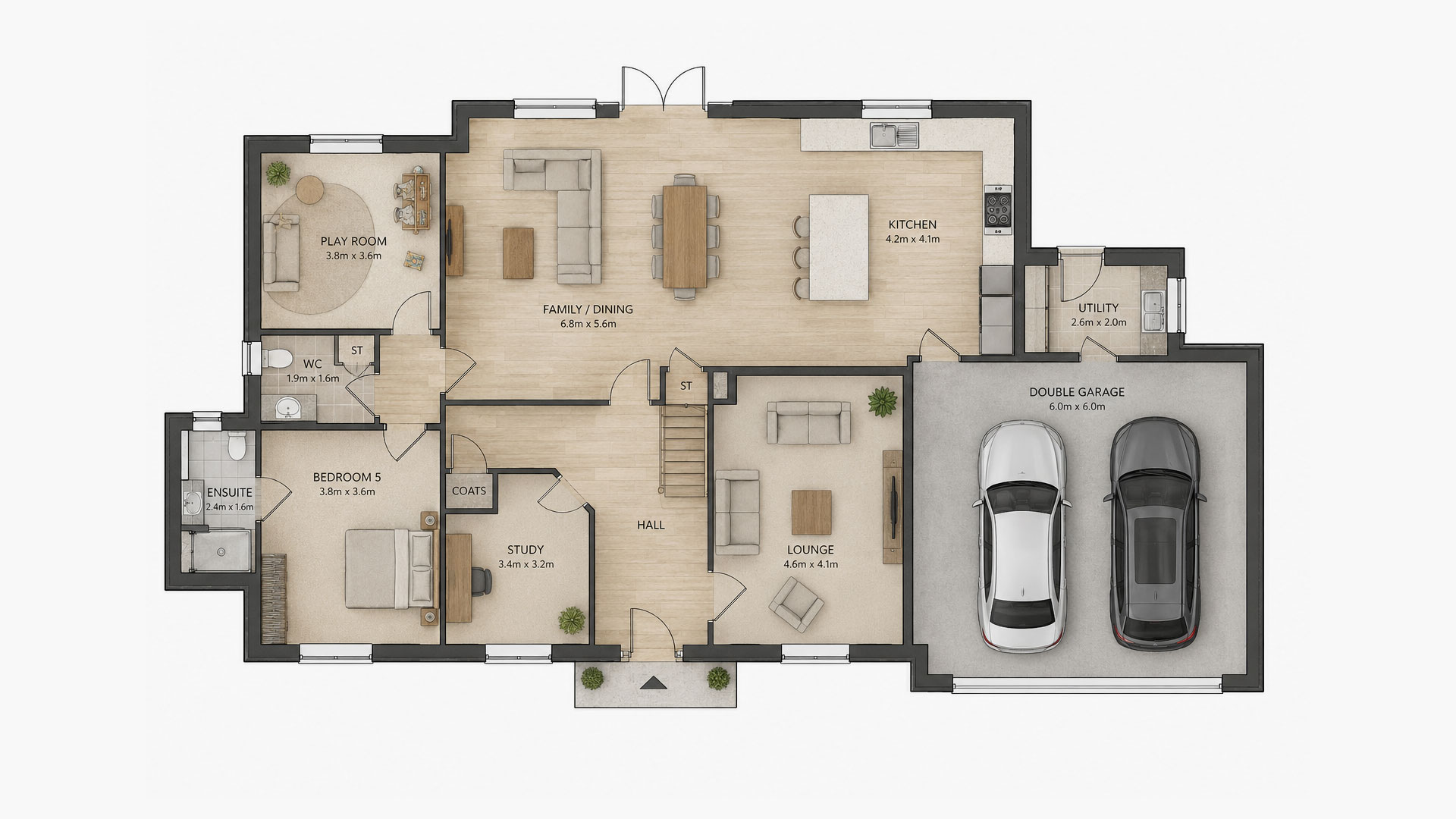
Bedrooms are just one piece of the house hunting puzzle. In a diverse market like West Sussex and the South Downs, where housing stock ranges from period cottages and flint farmhouses to barn conversions and contemporary eco homes, it’s important to consider the overall space layout and how it could work for you, rather than disregarding properties based on a simple bedroom count.

Most buyers start their search with bedrooms first, as seen on platforms like Rightmove, Zoopla or estate agency websites, and as the primary filter it’s undoubtedly important. A requirement for three bedrooms can’t be satisfied with a larger one-bedroom property, regardless of overall floor area, but it actually says very little about how a home feels or functions.

A four-bedroom property, for example, can vary greatly in reality. One might have compact rooms and limited space, compared to another with generous proportions and open-plan living space. Although both are categorised together online, the lived experience is completely different.

Square footage provides a clearer sense of scale and is a much more useful comparable, although bear in mind in this region, layouts are often irregular due to thick walls, corridors and character features which can affect usable space.

As summer 2026 unfolds, property searches across the South Downs are primarily focused on lifestyle and we’re seeing more demand than ever for flexible accommodation to support hybrid working and multi-use living. Very few people want a spare room that sits empty for most of the year as they consider it a waste. They would rather use it as an office, gym, yoga room or a multifunctional space.

Bedrooms are just one aspect of a property search and buyers who focus too heavily on this filter risk overlooking homes with the overall living space, layout and flexibility that may actually suit their needs better.

Anyone who has watched the new series of Amandaland will have heard of SoHa, the moniker image-conscious Amanda gives her local neighbourhood, South Harlsden, in the hope it will make it seem more desirable.

I shared my thoughts on this trend with Country Life, who asked what’s in a place name and are buyers really willing to pay more to be in a specific village, or collection of streets because of the kudos it brings?

In my experience, when locations take on an identity it can very quickly change them, and not always for the better. I’ve had several buyers coming to West Sussex in recent months who looked at the Cotswolds but were put off by the crowds, the traffic and the tourist shops that have replaced the old greengrocers and butchers.

One family in their 40s moving from Oxford who considered Wiltshire and the Cotswolds but felt it was, in their words, “too Louis Vuitton”. They preferred the relaxed, old-world charm of West Sussex and the South Downs National Park villages which are pretty much unchanged from the 1970s, other than a few more cars. I find most buyers want to avoid flashy, ‘on the map’ locations. They would rather have a decent pub, a village green and a local shop where they can buy a home-made cake and have a chat with the postman.

You can read the full Country Life article here.

Modern country living has changed dramatically over the past couple of decades, with buyers now prioritising simplicity, energy efficiency and low maintenance living above all else. Whether upsizing, downsizing, or leaving city life behind, buyers are increasingly drawn to modernised homes that are inexpensive to run, with practical layouts and manageable outdoor space that doesn’t require constant upkeep.

Across West Sussex and the Hampshire and Surrey borders, demand for village or edge-of-village properties remains strong. Buyers want the perfect balance between countryside privacy and village convenience, in other words, open views combined with access to good schools, gastro pubs, village shops, dog walks, health clubs and reliable Wi-Fi.

We’re seeing this play out in many of the prime villages in the South Downs National Park. Villages that were once considered sleepy rural are becoming far more vibrant as traditional pubs evolve into stylish gastro dining venues with rooms, while new wellness concepts and boutique health clubs opening this summer add to the lifestyle appeal.

We are also seeing a younger generation entering the country market, but they rarely aspire to own large homes with acres to maintain. Instead, they want semi-detached, or smaller detached homes in prime villages. In many cases, these properties are being transformed by talented architects with striking orangery extensions, open-plan living spaces and luxurious principal suites.

This represents a significant shift from the 1990s, when the dream home was usually a grand Georgian house with a swimming pool, tennis court and several acres of land. While still impressive, most buyers today aren’t interested in endless maintenance, with teams of gardeners, cleaners and tradespeople required to keep everything running smoothly.

They still value character and lifestyle, but there is far greater emphasis on comfort, flexibility and homes that are just easier to manage. The modern country home is no longer simply about grandeur; it’s about creating a lifestyle people can genuinely enjoy without too much pressure on their time or bank balance.

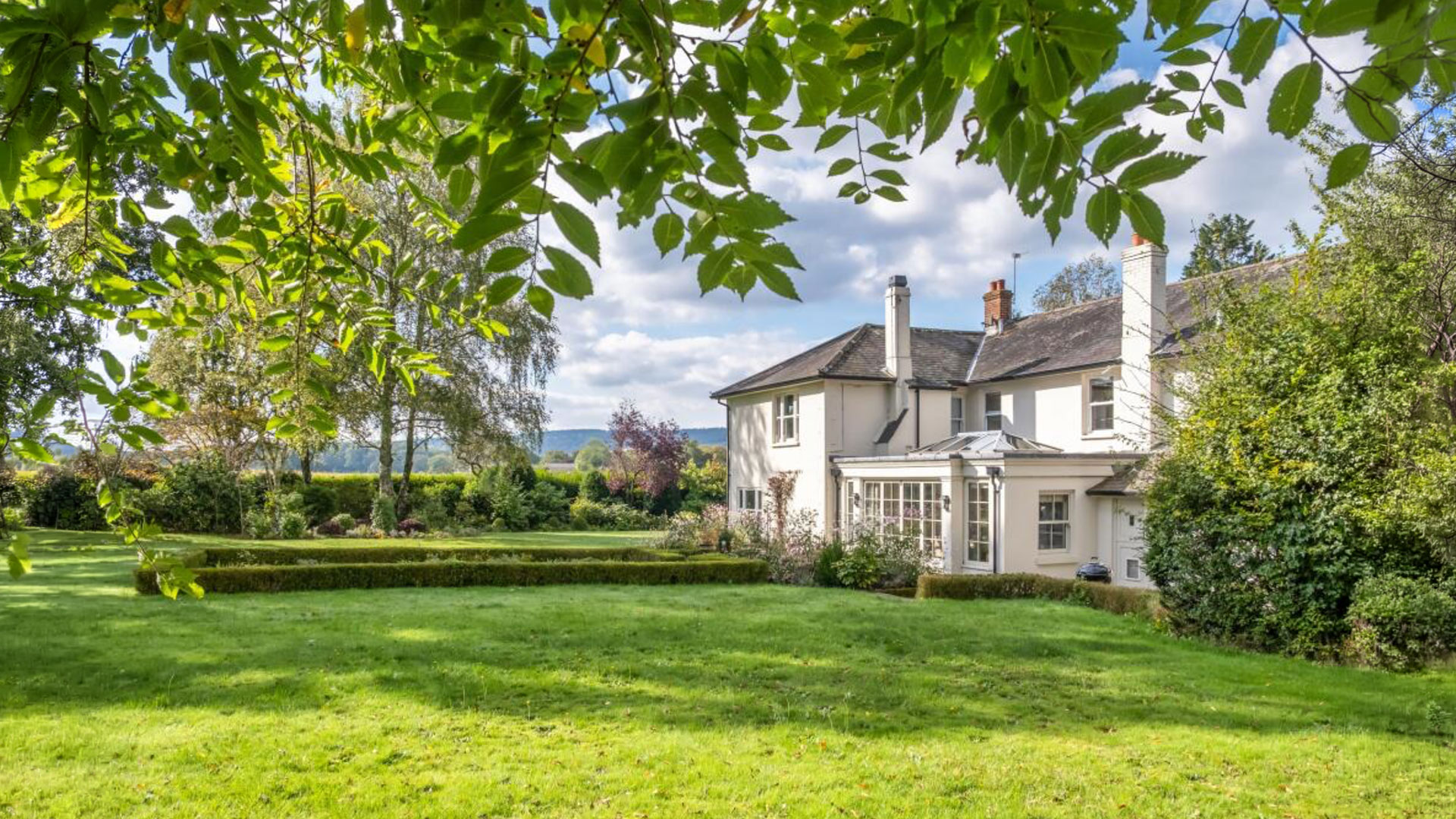
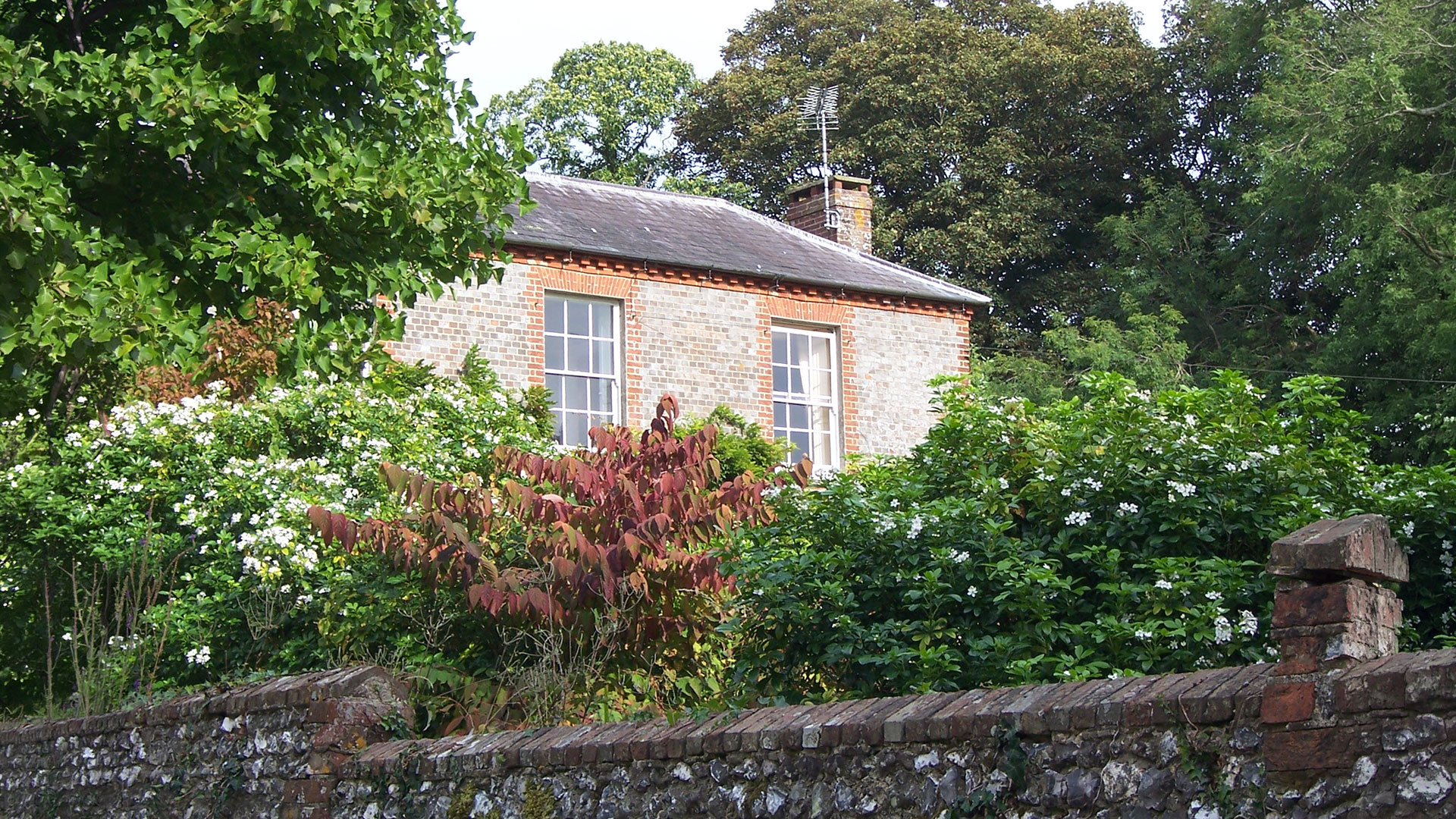
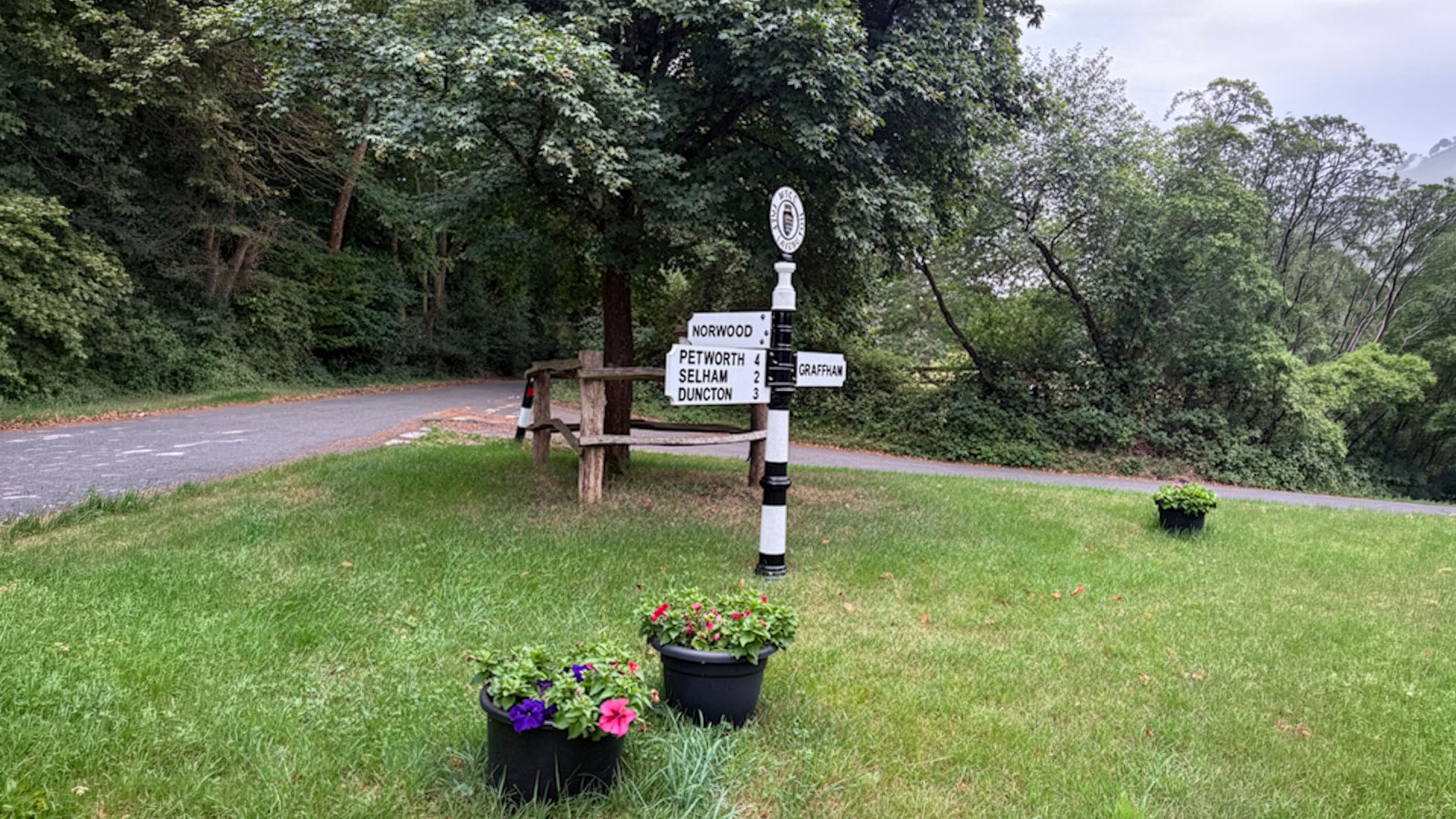
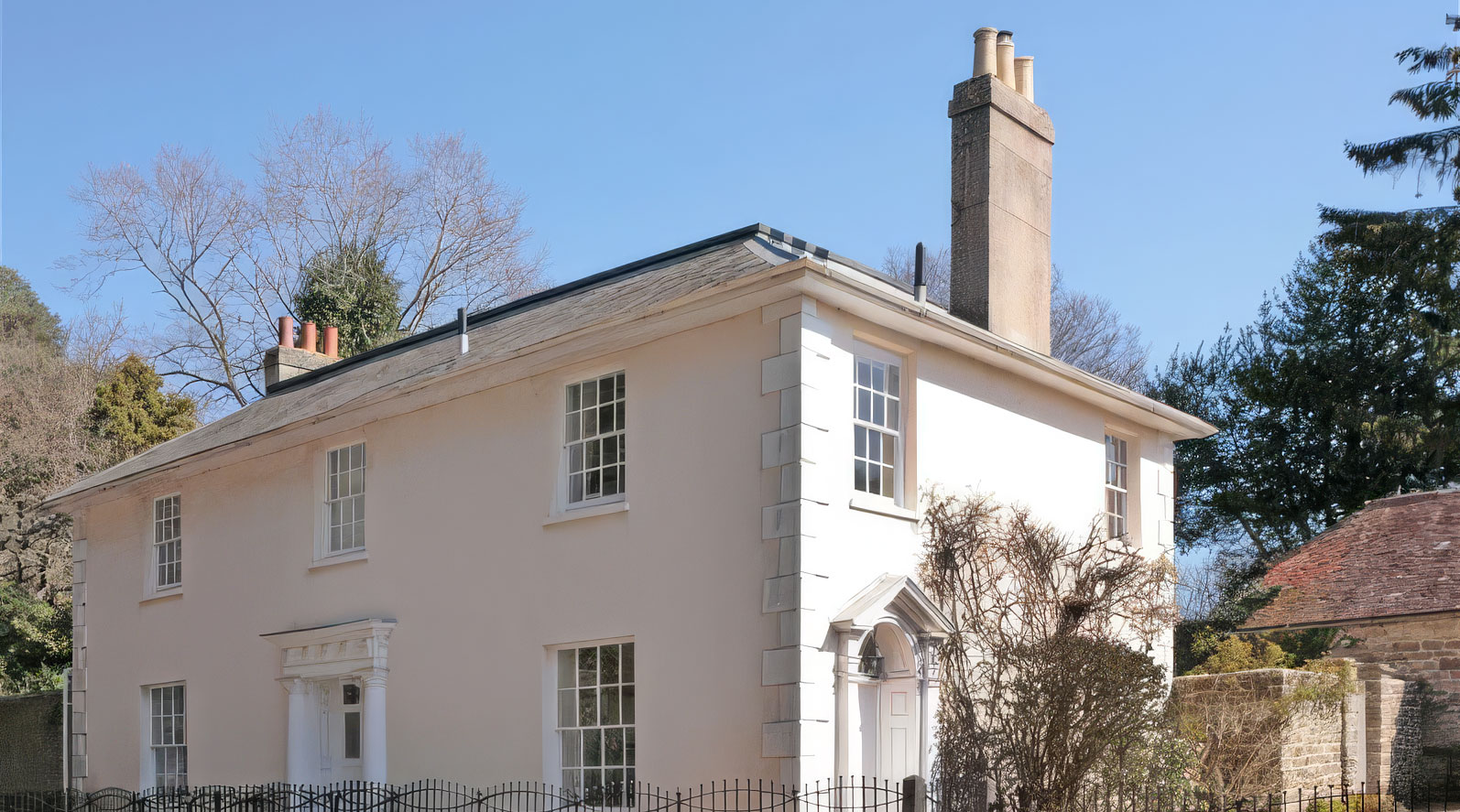
We are delighted to announce exchange of contracts on this lovely house in an amazing village close to Midhurst.

The priority for this client was to settle in this wonderful part of the world close to Midhurst, Chichester and Petworth, with access to London which is straight forward from this part of South Downs National Park.

Our thanks go to Russell Grieve and his team in Haslemere for introducing us to this fabulous property.

Property Acquisitions Founder and MD, Jennie Hancock, was invited to share her views with Country Life on buying opportunities in the country homes market and whether now is the best time to buy.

“Buyers are waking up to a rare opportunity to secure a country house at a price that would have seemed pretty remarkable three years ago”, said Jennie. “We’re seeing more family buyers coming in because they’re sensing the bottom of the market approaching and putting long-term plans in motion.”

Where sellers are serious and realistic, good discounts can be achieved across West Sussex, compared to the autumn 2021 peak. Around 10% is common, but in some cases more can be achieved. There is also greater choice than we’ve had in years and less competition, so buyers who are proceedable and decisive are in a strong position.

As Jennie explains, “this feels like a rare moment when long-term value can genuinely be unlocked”.

You can read the full article here.

Spring 2026 is proving to be a busy and competitive time for buyers in and around Chichester. As gardens bloom and homes show at their best, more buyers are actively searching, keen to secure the right property before summer.

One of the most encouraging trends for buyers this spring is that vendors are becoming more realistic about pricing and expectations. This shift has created genuine opportunities, and it’s reflected in the high levels of interest many properties are now attracting.

Homes that are well priced and presented, particularly near Chichester Harbour and in the sought-after villages in the South Downs National Park, are seeing strong competition from multiple interested buyers. This area is renowned for attracting strong interest, whatever the market, when properties become available.

For buyers, preparation is key: having finances in place, knowing priorities, and acting quickly can make all the difference. With vendors more realistic and buyers keen, this spring market is both competitive and full of opportunity.

0