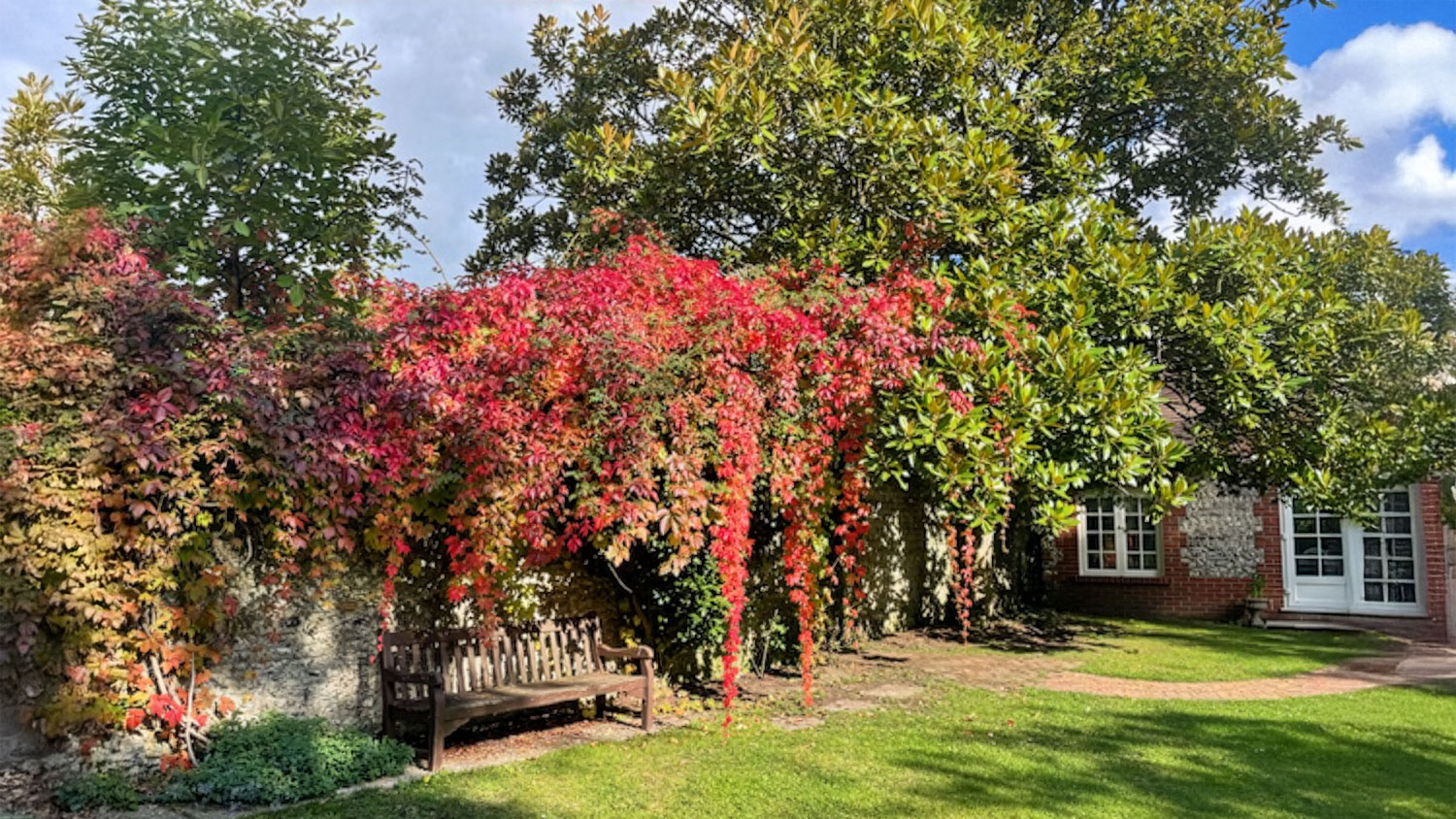
The start of the year always brings fresh starts, new ideas and unexpected opportunities, and in property that can sometimes lead to the most satisfying outcomes of all.

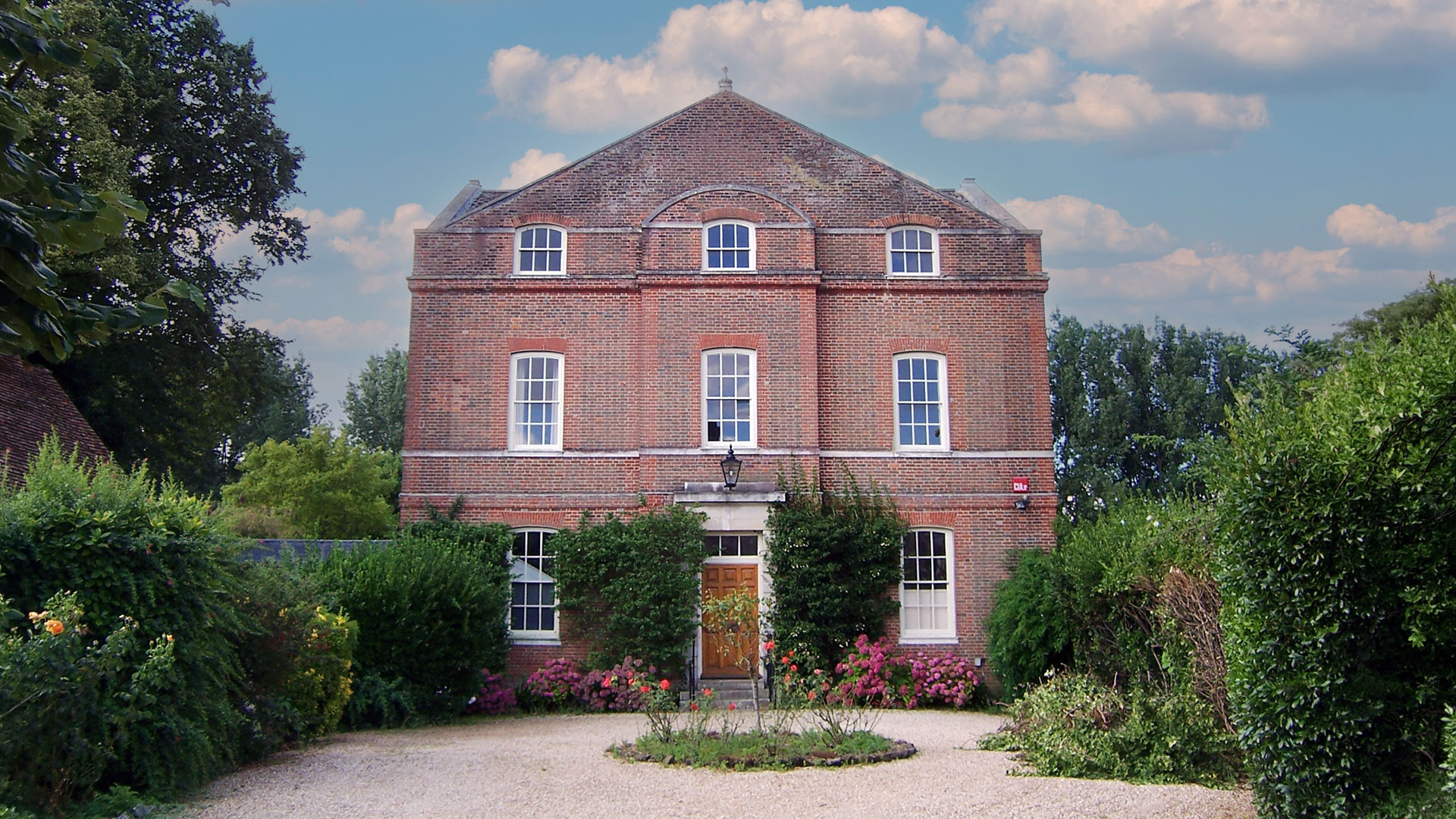
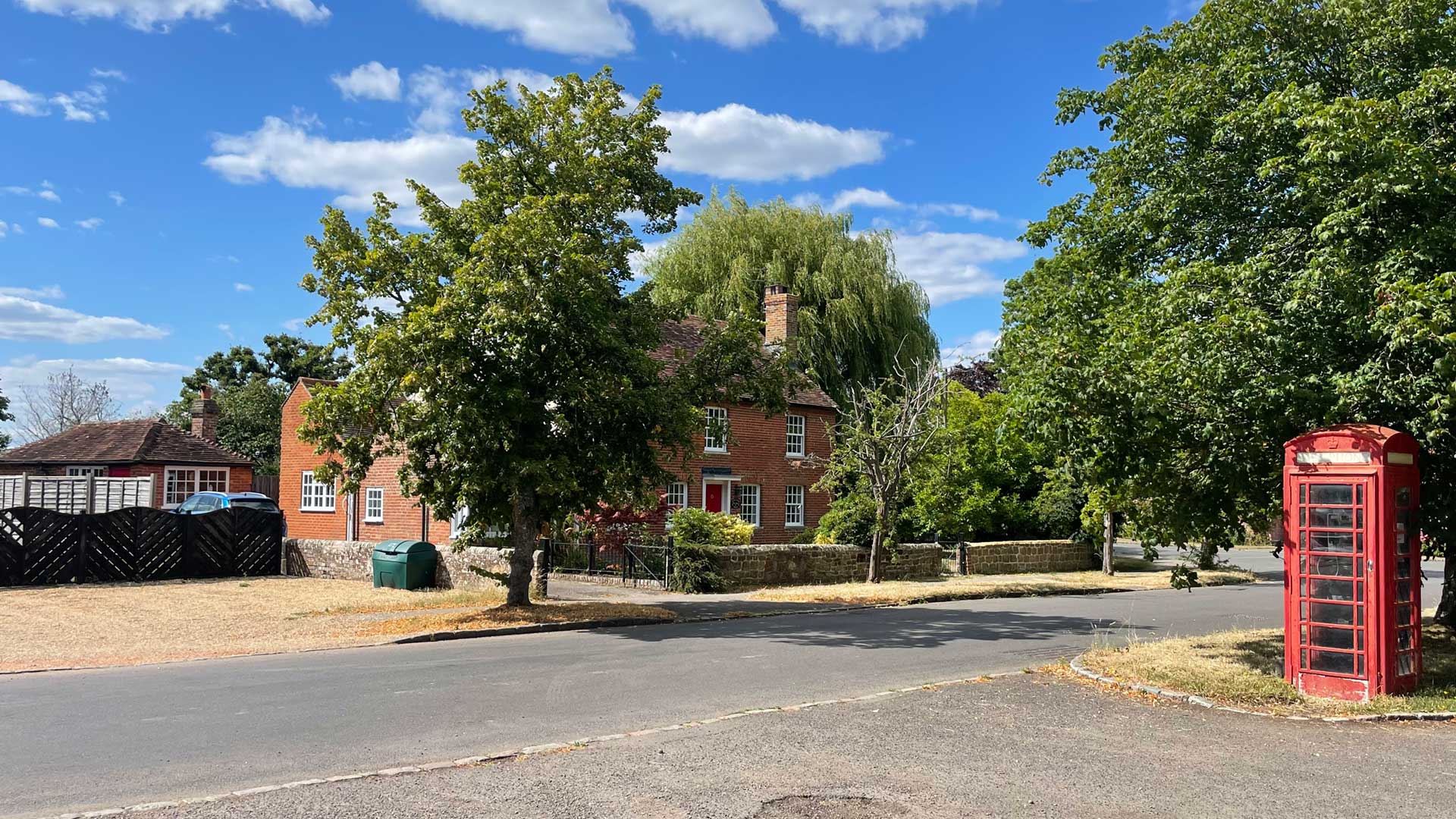
Right now, I am working with one very specific buyer who is actively looking to move into one of our beautiful villages in PO18 or GU29. This is not a speculative enquiry. They are motivated, ready to proceed and have a budget of up to £2m for the right home.

The buyer is a cash purchaser, offering a level of flexibility that is increasingly rare, whether that’s on timing, completion dates or simply making the process as smooth and straightforward as possible for the right seller. (We are paid by the buyer not the seller!)

What if their perfect house is already here, quietly waiting?

So often, homeowners assume “now isn’t quite the right time”, while buyers assume “nothing suitable ever comes up”.  Every now and then, a simple conversation creates a genuine perfect match, one that works beautifully for both buyer and seller, without pressure or publicity.

This buyer is looking for what our villages do best: character, space, privacy, gardens and a home in a perfect West Sussex village.  Perhaps it’s a house you have loved for years but now you’re starting to think about the next chapter. Or maybe it’s simply a case of if the right buyer comes along….

Well, they just might have!

This year, it might be worth seeing what happens. After all, some of the best property stories begin with a quiet conversation and end with a very happy match indeed.

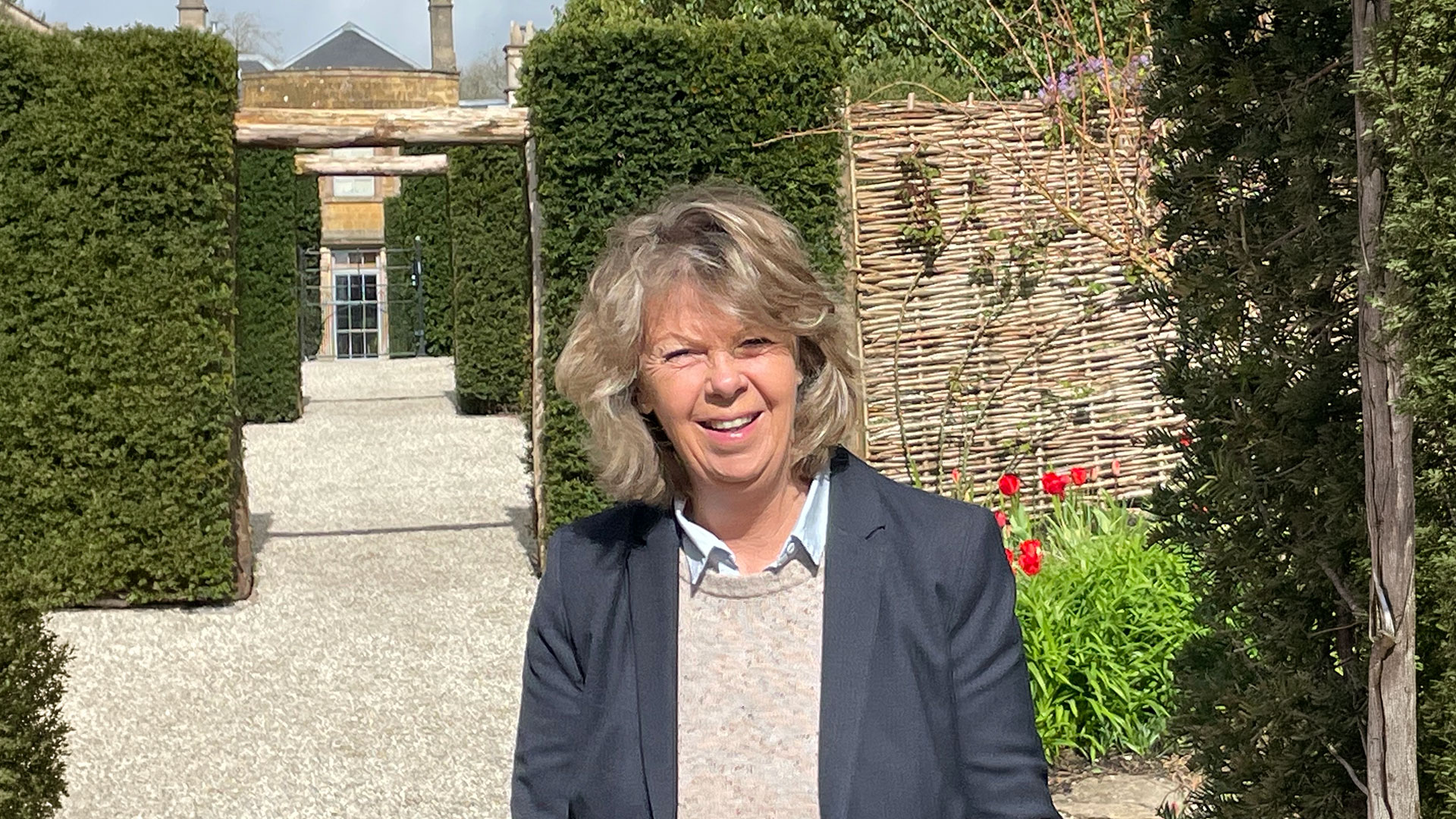
If you live in PO18 or GU29 and are thinking of selling this year, please get in touch with Jennie Hancock directly on jh@propertyacquisitions.co.uk / 07776 452 128.

As expected, the Budget confirmed an additional tax on homes priced over £2 million, although it’s not as bad as first feared. Homes priced at £2m – £2.5m will pay a council tax surcharge of £2,500 annually, going up to £7,500 for properties priced over £5m.

I was delighted to share my insights with a number of publications including The Daily Telegraph, Daily Mail, Country Life and luxury property journal PrimeResi. There’s no doubt this measure will have a significant impact on the country homes market in the South East, creating a two-tiered market in which demand for higher-value properties falls even further, while the £1m – 1.7m price bracket becomes more buoyant.

The one silver lining is that the tax won’t come into effect until 2028, which leaves a decent window for downsizers to make their move. Retirees on fixed incomes won’t want the burden of an additional annual bill they haven’t factored into their long-term plans.

“Can I get it for less?” is still one of the most common questions we hear from buyers, especially in the current buyers’ market where nearly 40% of homes on the open market have been reduced.

During the Covid property boom, paying under the asking price was almost impossible. Demand was fierce, and the best homes were snapped up within days. Fast forward to now, and the picture is quite different. With interest rates remaining high, buyers are taking a more cautious approach – and with a high number of fatigued sellers who have been in the market for months and are increasingly open to doing deals, there’s more room for negotiation than we have seen in years.

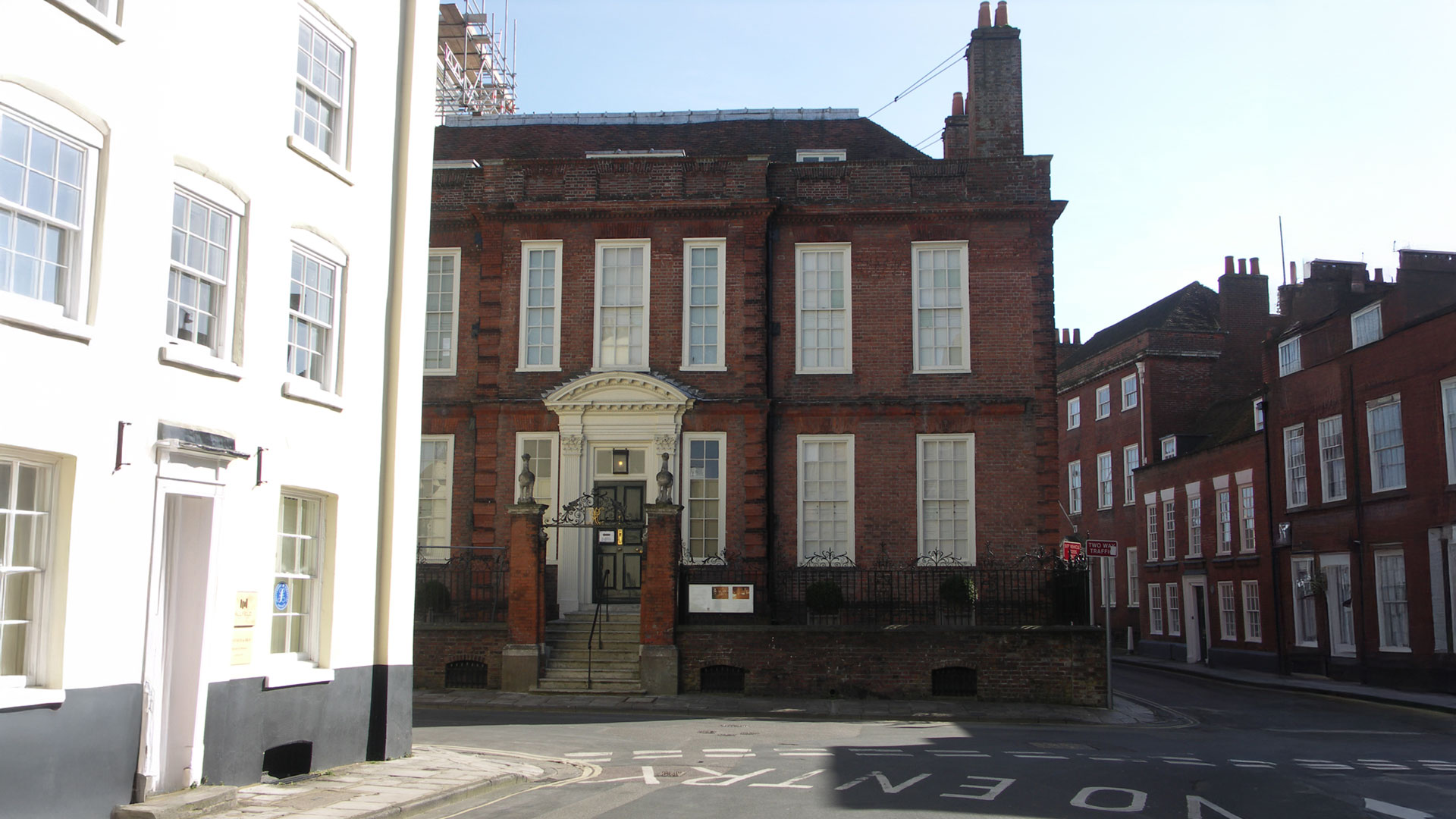
There is still often a gap between what sellers hope to achieve and what buyers are willing to pay, but realistic pricing is key. Well presented, good quality homes continue to attract strong interest, particularly around Chichester, Midhurst, and Petworth. In these sought after locations, we are securing properties at or just below the guide price more often. In other cases, we’re achieving discounts of as much as 15%.

When making an offer, it’s worth remembering that the strongest bid isn’t always the highest. Sellers value certainty and flexibility, so if you are a cash buyer or you can be flexible on timings, that can make all the difference.

For those navigating the current market, a clear strategy, good advice, and local insight are invaluable in achieving the right result.

For more information about finding your next home in West Sussex, contact Jennie Hancock  jh@propertyacquisitions.co.uk

After three months of speculation that cast a shadow over the autumn property market, today’s Budget should finally provide the clarity buyers and sellers have been waiting for.

With proposals ranging from a Mansion Tax on homes valued at over £2 million to capital gains tax on main homes worth £1.5 million plus – and even a possible overhaul of council tax – it seems that property is firmly in the Chancellor’s sights.

For a succinct roundup of the changes on the table and their potential impact on the market, take a look at this Country Life article which includes expert insight from our founder and Managing Director Jennie Hancock.

Great to see our founder and MD Jennie Hancock quoted in the Daily Mail’s This is Money, talking about falling demand for large country houses.

Buyers are cost sensitive and reluctant to take on major projects because of the costs involved to bring them up to scratch and to run and maintain them going forward – which are significantly higher now than even a few years ago. People today generally want to move in and unpack, rather than tackle an extensive renovation on a large footprint.

Difficulties getting planning permission is another challenge buyers have little appetite for, and they are very wary about subjecting themselves to a long and expensive project and putting their lives on hold in the meantime.

You can read the full article here.

We were delighted to share our thoughts on stamp duty reform ahead of the upcoming Autumn Budget with luxury property journal PrimeResi.

There has been endless speculation about changes to stamp duty, capital gains tax and council tax which has created a great deal of confusion and uncertainty for buyers in recent weeks. In our view, the only proposal that has any real merit is replacing stamp duty with an annual property tax on homes worth over £500,000.

Property Acquisitions Founder and Director Jennie Hancock explains:

“An annual property tax would be an effective way of unlocking the housing market and enabling it to function much more fluidly. In the pre-stamp duty days, people were able to move up and down the property ladder as their circumstances changed, whether they were upsizing for a growing family or downsizing later in life as it suited them, without the fear of an enormous tax bill each time they transacted.

“The burden of stamp duty has been enormous, particularly in the prime market, but it discourages activity at all levels. That was clear to see during the pandemic stamp duty holiday when the market was freed from its constraints.

“An annual property tax would spread the cost and become just another bill to pay, much like council tax, which is easier to budget for compared to raising a significant lump sum at the point of transaction. It should only apply to new transactions however, or allowances would need to be made for people who have moved in recent years to ensure they avoid a double whammy of stamp duty and an annual tax.”

I was delighted to be quoted in The Daily Telegraph discussing the difficulties finding good household staff since Covid.

When the legals are going through on a purchase, I always ask the seller for a list of local recommendations for everything, from builders and decorators to tree surgeons and handymen. If there’s a gardener in place who has looked after the garden for many years or even decades, then clients are always very keen to keep them on because the knowledge they’ve built up over that time is irreplaceable.

One client buying near Petworth paid a significant premium to persuade the gardener to stay – not only because he was excellent and knew the garden inside out, but he’d also worked on the Capability Brown gardens at nearby Petworth Park, which brought a certain cachet!

Click here to read the article if you’re a Daily Telegraph subscriber.

There has been so much speculation lately regarding reform of property taxes, and this week the Conservatives put a new proposal to scrap stamp duty front and centre of their party conference.

Our founder and MD Jennie Hancock was delighted to be quoted in the Daily Mail’s Money section, This is Money, and several property industry titles sharing her views on the proposal:

“It’s unlikely the Conservatives will have the opportunity to implement this policy any time soon, but my hope is that after years of property market stagnation, the Government will take note and recognise the vast economic benefits scrapping Stamp Duty would bring.

“It’s such a prohibitive tax, and that was clear for everyone to see when the temporary Stamp Duty holiday was introduced during covid. In over 30 years of working in the housing market, I’ve never witnessed such an instant and dramatic turnaround.”

Click here to read the article on This is Money.

There is something deeply rewarding about growing your own food, whether it’s herbs on a windowsill or a vegetable patch at the bottom of the garden. More than just a hobby, it’s a way of life that influences how people think about property and home.

Here in the South Downs National Park, homes with established gardens, vegetable patches, or even small orchards are becoming increasingly sought after. As a house search agent, I have seen first hand how outdoor space is climbing the priority list for many buyers.  Families in particular are drawn to properties that offer room to grow their own produce, keep chickens, or simply enjoy a more self sufficient lifestyle.

It’s not just the land itself that appeals, but the sense of connection it brings to nature, and to a slower, more rooted way of living. I have even had buyers ask about soil types, something that rarely came up a few years ago!

As a gardener myself, I completely understand the appeal. When my sons were young, our garden was full of life: potatoes, beans, courgettes, radishes, carrots, tomatoes, and lettuces, alongside apple and plum trees and a herb garden. For the boys, it was an adventure, from watching things grow to digging up the harvest. I still remember how quickly those freshly dug potatoes were washed, cooked and eaten.

That passion hasn’t faded. Today, I still enjoy growing herbs and cooking with my own parsley, rosemary and mint and have fruit trees.  There’s something grounding and satisfying about using ingredients you have nurtured from the soil. It takes patience, but the rewards are worth it.

Beyond the kitchen, growing your own food offers physical and health benefits. With rising food and energy costs, it’s a practical way to ease household expenses too.

Whether it’s a few pots or a full kitchen garden, the joy of homegrown food is something everyone can enjoy. It connects us to nature and in the beautiful setting of the South Downs, there is no better place to dig in.

We were delighted to be featured in the cover story of the Sunday Times Home section about the growth in vineyards across West Sussex, run by both professionals and hobby winemakers.

The article explores how its chalky soil and south-facing slopes have helped West Sussex become one of the premier UK wine-producing regions. There are some really fantastic well-established vineyards like Nyetimber in West Chiltington and Ashling Park near Chichester, which are helping cement West Sussex as a destination for foodies and wine lovers.

I was recently approached by a couple in their late forties looking for a house with ten – 20 acres of vines, or the space to plant them, and I expect this this to be a growing trend. There’s definitely a certain cache to owning a vineyard and making a success of it, and with the established wine community already here, there’s good infrastructure a lot of support for newcomers.

Click here to read the article if you’re a Times and Sunday Times subscriber.

0