We are delighted to announce the exchange of contracts on a lovely detached country house nestled in several acres. The house boasts a swimming pool and tennis court, all set in the picturesque rural hamlet between Lodsworth and Petworth.

This tranquil property, purchased ‘off market’, has not been sold since the 1970’s. The client’s primary priority was to settle in this idyllic location, close to Petworth and Midhurst, with easy access to London.

While this area is known for its limited availability of high-quality buying opportunities, we were fortunate to secure this home through our extensive network before it entered the open market. This allowed us to provide our client with exclusive first access.

We would like to express our gratitude to Michelle Hendrie and the team at Jackson Stops in Midhurst, as well as Will Stisted for their exceptional conveyancing services.

In today’s market, most buyers are unenthusiastic about taking on the cost and extended timescales of a large renovation project. But many of the clients we work with are still looking for properties that offer good value through potential for improvement. Smaller, strategic projects that create significant impact are particularly attractive.

Improving a property’s layout can be a more cost-effective alternative to increasing its size and in some cases can deliver nearly as much value, without the high costs of extensions or rebuilds. These are some of the best ways to improve a property and add value without breaking the bank.

Rethink the space

Older homes often have poor layouts which don’t work for modern living, but there are several ways you can maximise the functionality and flow of the space without major structural work.

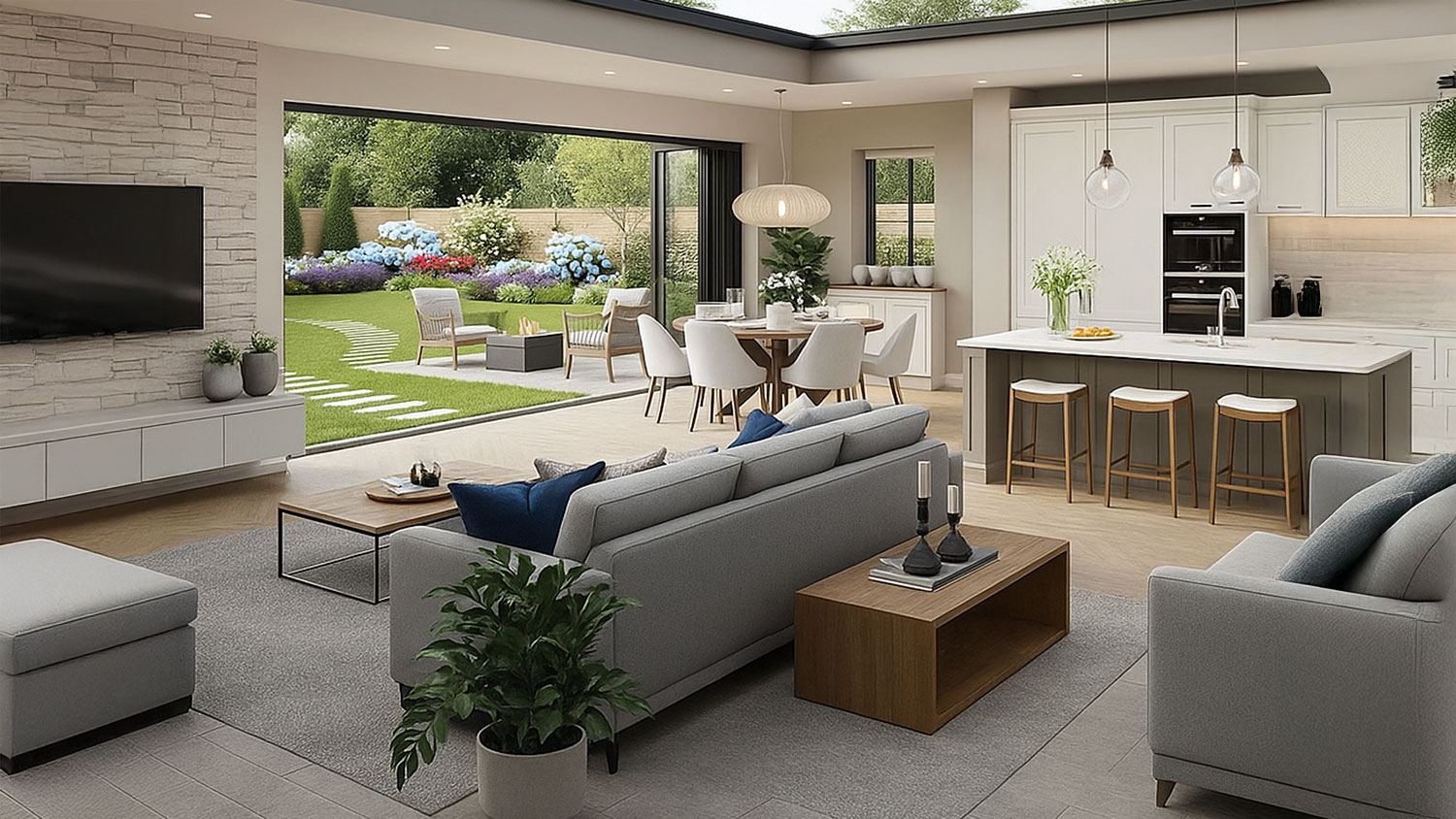
  • Create a large open-plan kitchen/living space
  • Add a downstairs cloakroom or utility room if one doesn’t already exist
  • Add a bathroom or en-suite if space allows
  • Open the kitchen/dining area to the outdoors, introducing more light
  • Consider loft conversions, which are particularly popular with young families, offering extra space without major cost.

Enhance visual appearance

Buying a less attractive property can be an excellent way to add value. These homes are often significantly cheaper than more visually appealing ones and improving their kerb appeal can be relatively inexpensive.

  • Soften exteriors by planting climbers such as wisteria
  • Replace hard landscaping with flowerbeds and softer planting schemes
  • Clean or repoint brickwork to instantly lift the exterior of the property
  • Upgrade the front door and windows for a fresh, cohesive look

Always remember…

Before you buy, it’s important to always check whether a property is listed or located in a conservation area, as this will potentially restrict the changes you can make. Investigate any existing covenants too. Some older ones may no longer be enforceable, depending on changes over time.

For help and advice on finding a property you can add value to in West Sussex and the Surrey and Hampshire borders, please contact Jennie Hancock on jh@propertyacquisitions.co.uk or call 07776 452128.

As tax changes force more second homes onto the market, many of them are being snapped up by downsizers who finally have a decent amount of stock to choose from around the £1 – 2 million mark.

I was delighted to talk to renowned property journalist Zoe Dare Hall for this Daily Telegraph piece on downsizers snapping up ex-holiday homes – a trend we’re seeing play out across West Sussex.

Holiday home owners are facing rising costs, including a doubling of council tax in many holiday home hotspots including Chichester. They also need to consider maintenance costs, inheritance tax, capital gains tax – and whether their children and grandchildren actually want the hassle and expense of taking the property on in the future.

Passing holiday homes down to the next generation has been a long tradition, and many of the homes now coming onto the market have been in the same family for 50 years or more, but that’s now changing. We’re seeing some quite special properties come up in fabulous village and coastal locations such as the Witterings – and in many cases it’s downsizers who are snapping them up.

Click here to read the article.

We are delighted to announce the exchange of contracts for a lovely Victorian house in the centre of Chichester, for a local downsizing client. As well as being detached, the property has a lovely private garden and double garage, which is incredibly rare for this location.

Our client’s priority was to settle in the city from a larger home and enjoy the convenience that comes with having first class shops, amenities and entertainment within a short walk.

While Chichester is highly sought after and known for its shortage of good-quality housing stock, we were able to source this home through our network before it entered the open market fully.

We would like to express our gratitude to Mark Astley at Jackson Stops for introducing us to this amazing property.

We’re delighted to be leading this week’s Property Newsletter from The Times, with our comment on the country homes market.

An increasing number of large country homes are being carved up into apartments or smaller separate dwellings, as families become smaller and running costs prohibitive.

Jennie Hancock is quoted: “The properties that are really sticking at the moment are the big country houses, because they’re often a bottomless pit of money and today’s buyers are nervous about taking on the high ownership costs.

“I expect we’ll see more planning applications being made to divide big country houses up and sell them as smaller homes. Buyers want the cachet, period features and wonderful gardens, but on a more manageable scale.”

Click here to read the full newsletter.

Why village life in West Sussex is more popular than ever

The first thing most buyers say to us when they start their property search, is ‘we really want a nice village’. The fact that people can do their jobs and live the rural dream at the same time has opened up the countryside, and over the last few years we’ve seen a huge rise in young couples and families in their 30s and 40s moving into villages and embracing everything they have to offer with infectious enthusiasm.

With the village fete season now upon us, we look at the many charms that draw buyers to West Sussex villages – and the factors they may need to think about before making their move.

Period properties

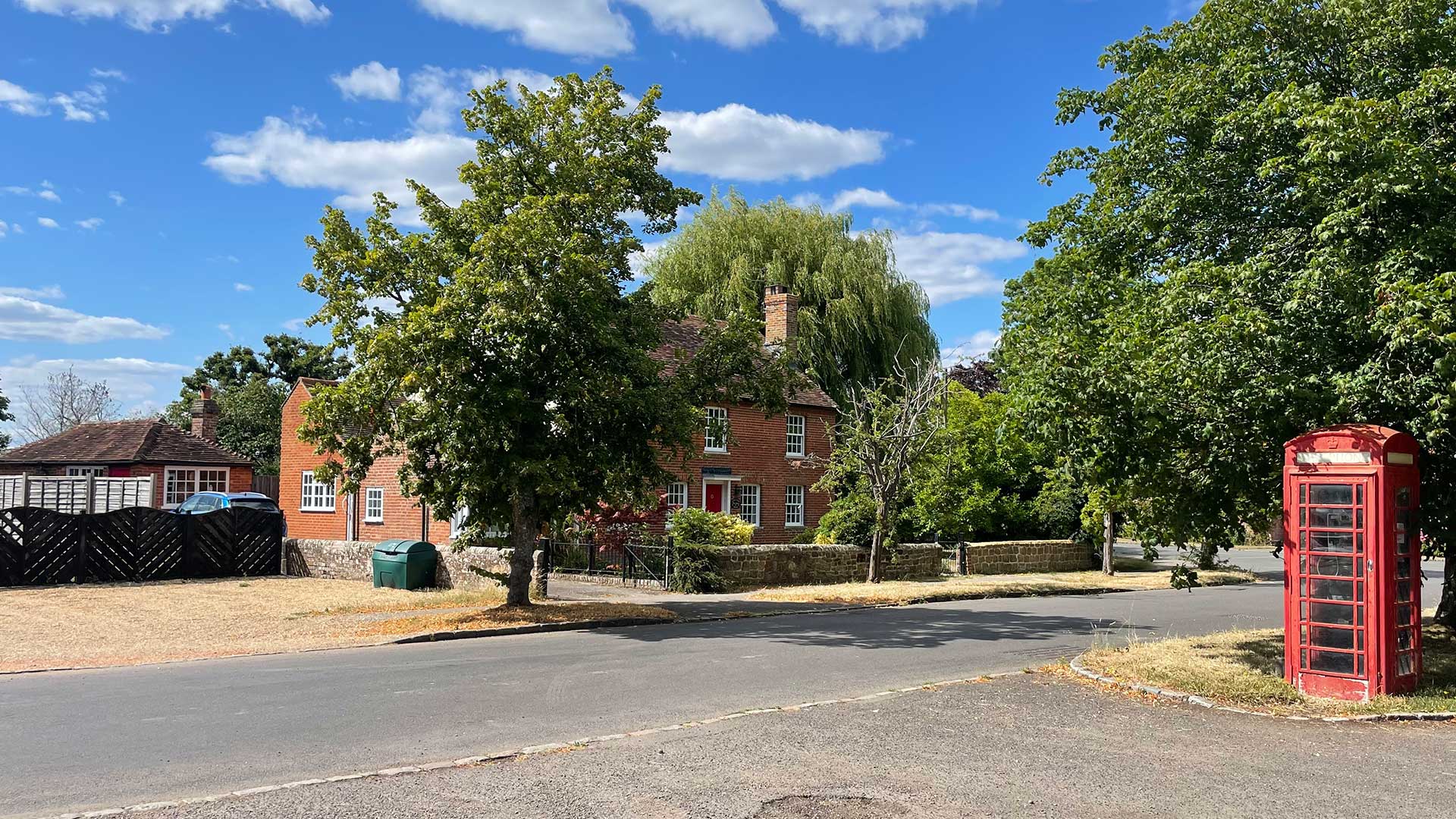
The South Downs National Park is peppered with ancient villages, some dating from the Domesday Book, and many buyers come to the here looking for beautiful period properties and a slower pace of life. It is like stepping back in time, with local dog shows and gardening societies, fetes and village shops selling home-made cakes. Aside from a few more cars, many have barely changed in decades, which is largely down to the rigorous planning regulations and tight restrictions on new development.

Period homes often have restrictions on renovations, so make sure you understand any limitations before you buy. There is some scope for extending properties with the Park’s conservation area, with an orangery for example, but it’s not easy getting approval and significant increases to the original property footprint are usually off the cards. On the plus side, you can be confident that the village you buy in isn’t going to change drastically any time soon – which for most people is a major draw.

Large gardens

Whilst village centre properties often have relatively small front and rear cottage gardens, larger plots on the outskirts are more likely to have large mature gardens with extensive flowerbeds, hedgerows, lawns and perhaps even an orchard or a pond.

They are delightful but can require a considerable amount of maintenance all year round, so buyers should consider whether they have the time and inclination to take this on themselves or if they would need to engage the services of a professional gardener.

Transport and commuting

The rise of remote working and helped breathe new life into the more remote villages of West Sussex, which have traditionally been quieter during the week and through the winter months.

Nearby Petersfield and Haslemere stations provide easy access to London in under an hour and many commuters drive and park – so it’s advisable to research and compare the costs of train tickets and parking.

Secondary schools

Many villages boast excellent small primary schools, but secondary schools and colleges are often situated in or near larger towns or cities such as Chichester. These larger hubs are also usually home to children’s clubs, sports facilities and opportunities for social interaction with friends.

Some parents living in rural villages complain about the need to provide taxi services to teens, but most consider it a worthwhile trade off to have a quiet and safe place to raise their family. It is a good idea to consider the distances to schools and clubs however, and how far it is to the local station or bus route.

Broadband and mobile phone networks

Mobile and broadband connectivity have improved significantly across West Sussex in recent years, with large swathes of the county now enjoying full-fibre connections or superfast speeds. But there are still a few locations where the connection is weaker or less reliable.

Rather than taking the seller’s word for it, we always recommend checking broadband speed during viewings, to make sure the connection is strong and reliable enough for home working, if that’s what you need.

Restaurants and pubs

We are spoilt for choice when it comes to fantastic pubs in West Sussex. The Horseguard’s Inn in Tillington, The White Horse in Sutton and The Swan in Fittleworth are just a few examples of excellent pubs serving fresh, locally produced food and English sparkling wine.

Pubs are often the hub of village life, and having a good one the doorstep without having to get in the car and drive is always a strong pull for buyers.

Local community

Once you have settled in, there’s a good chance you will be invited to participate in village life, from helping with church floral arrangements, contributing to the parish magazine or baking a cake for the summer fete.

These activities are integral to village life and are a great way to get to know people locally and become a valued member of the community.

In Conclusion 

While there are practical considerations — from commuting routes and school catchments to garden upkeep and broadband strength — for most people, these are outweighed by the richness of village life. For buyers seeking a quieter and gentler pace of life, a traditional West Sussex village is hard to beat.

In the Press … The Daily Telegraph

As tax changes force more second homes onto the market, these are being snapped up by downsizers who finally have a decent amount of stock to choose from around the £1 – 2 million mark.

The lack of suitable properties to move to has been a major deterrent for downsizers in recent years, but as many second home owners decide to sell up, and prices generally become more realistic, downsizers are finally seeing the opportunity to make their move.

We were delighted to share our insights with The Daily Telegraph in this article exploring the challenges for younger people inheriting family holiday homes, both in terms of running and maintenance costs, and the fact that if they’re not already homeowners themselves they will be hit by an additional 5% Stamp Duty when they buy their first home.

You can read the full article here if you’re a Telegraph subscriber.

Who represents your interests when buying a house?

It’s ironic that buyers readily incur substantial costs like stamp duty, legal fees and surveys, yet many still hesitate to invest in a buying agent to safeguard their interests during what is often their most significant financial decision.

In the UK, property transactions come with considerable expenses. Stamp duty can amount to thousands of pounds, legal fees add to the financial burden, and surveys, while essential, are an additional cost. Despite these expenses, buyers often overlook the value of hiring a buying agent who could potentially save them from overpaying or making a poor investment.

This reluctance stems from a combination of factors: lack of awareness, perceived cost, and a do-it-yourself mindset. Many buyers are also unaware of the comprehensive services that buying agents offer, including:

  • Access to off-market properties

In the prime and super prime markets, only around half the properties that could be available to buyers are listed online, either via the portals or estate agency websites. The rest change hands “off market”, usually to a small and select group of buyers who are represented by professional buying agents. Via our network we hear about these buying opportunities at the earliest point and are granted access on behalf of our clients.

  • Professional due diligence

Buying agents are acquiring properties and watching the market on their patch 24/7. We have a wealth of data at our fingertips, so we know exactly what a property is worth, whether it’s a good investment and what you might need to spend on any renovation work that’s needed. With years of experience at our disposal, we’re also good at identifying hidden issues that could lead to costly repairs.

  • An expert negotiator in your corner

Negotiating a property purchase, which is probably one of the most significant financial transactions of your life, can be nerve-racking. You might be unsure what to offer, how low or high to go, or you might be competing against multiple buyers via sealed ‘best and final’ bids. Buying agents aren’t just skilled negotiators, they are also cool-headed advisors who won’t allow emotion to cloud decision-making.

  • Saving time and hassle

Spending evenings and weekends trailing round properties, often with the kids in tow, is time-consuming and stressful. A buying agent will view a longlist of properties on your behalf, presenting to you only the best. They will also liaise with agents, lawyers and surveyors, oversee paperwork and even organise removals, ensuring you have a seamless and stress-free purchase.

Having a professional buying agent on your side to safeguard your interests during such an important transaction is a strategic decision, leading to significant cost savings and a more informed, less stressful property purchase.

We were delighted to assist the Daily Mail with their round up of Britain’s most beautiful villages, recommending the Mardens in West Sussex.

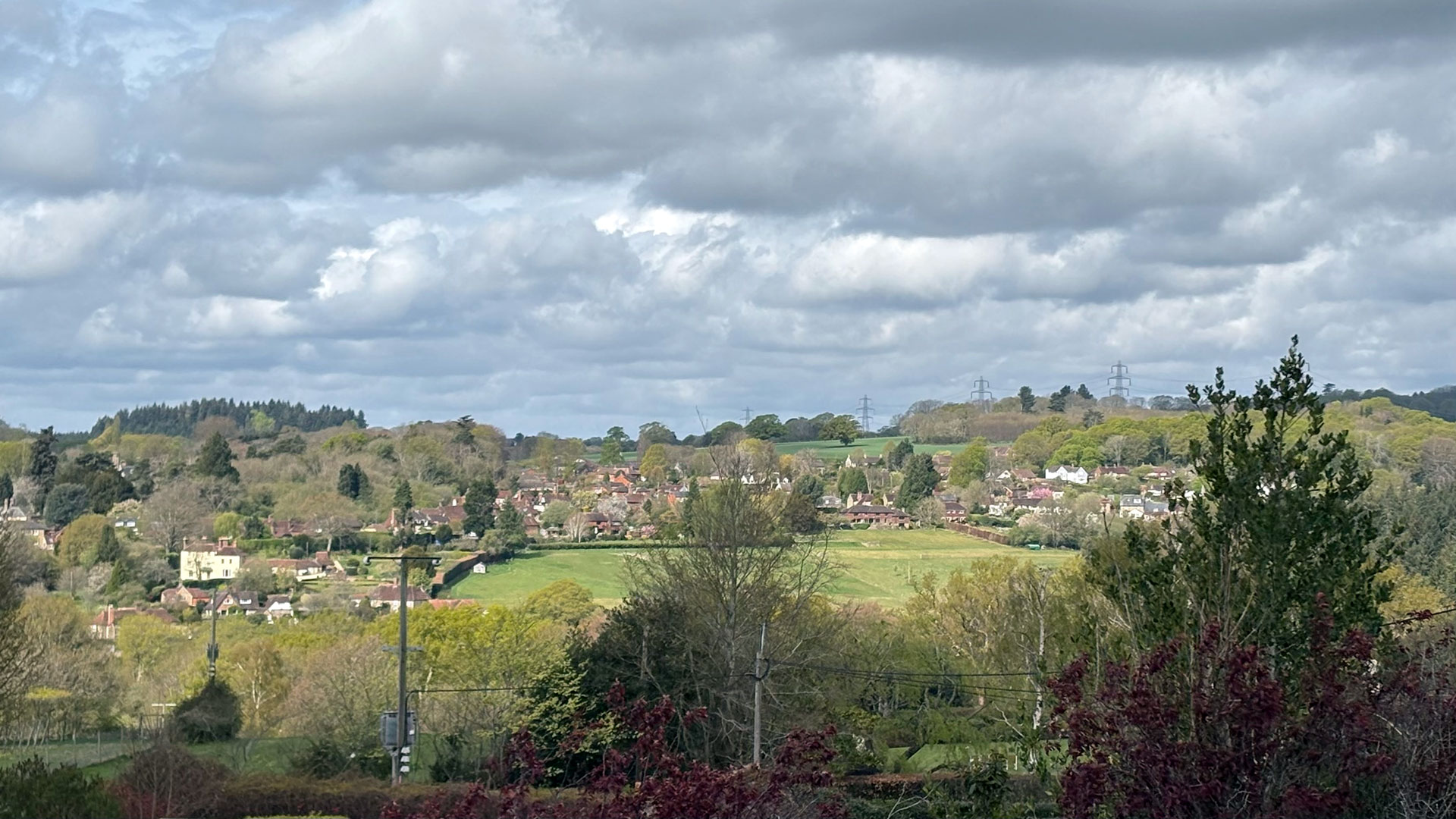
Huddled around a Bronze Age long barrow in the glorious South Downs National Park just north of Chichester, are The Mardens – there’s an East, West and North. These sleepy villages haven’t changed in 50 years, besides a couple of extra cars here and there!

There’s a stunning 12th century church surrounded by farms and flint cottages and a tranquil landscape of ancient fields and wooded hills. It’s like stepping back in time to a bygone age, and not many people even know they’re there – a real hidden gem.

The best properties in these locations are rarely listed on the open market, so if you’re planning a move to the South Downs National Park this spring or summer, please get in touch with Jennie Hancock on 07776 452 128 /  jh@propertyacquisitions.co.uk.

We are seeing plenty of new stock emerging, much of it off market, and that’s being driven in part by second home owners selling up. Buyers, however, remain very price sensitive and most are focused on acquiring low-maintenance, refurbished properties over large country homes which need updating and are costly to run and maintain.

Below, Property Acquisitions founder and director Jennie Hancock shares her thoughts on three key trends in the property market this spring.

Downsizers replacing second home buyers

As tax changes force more second homes onto the market, these are being snapped up by downsizers who finally have a decent amount of stock to choose from around the £1 – 2 million mark. The lack of suitable properties to move to has been a major deterrent for downsizers in recent years, but as second home owners sell up, downsizers are finally seeing the opportunity to make their move.

There’s also a sense that they have run out of excuses after a decade of putting their lives on hold during Brexit, Covid, the cost of living crisis, then the General Election and the Budget, and now they’re running out of time. They’ve been in their homes for 30 or 40 years and they’re thinking if we don’t do it now, we never will.

60% of the clients we’re working with at the moment are downsizers selling substantial country homes and looking for a more energy efficient and low maintenance property in a village location. Downsizers are usually very keen to play an active part in their local community, so as they move in and holiday home owners move out, they’re breathing new life into South Downs villages that used to be much quieter during the week.

Younger generations reluctant to inherit family holiday homes

The long tradition of families passing holiday homes down to the next generation is coming to an end. Not only are there significant capital gains and inheritance tax considerations, but upkeep costs are so much greater than they used to be, as well as higher council tax for second homes.

The younger generation just don’t want the hassle or the expense, and they’re also reluctant to spend their precious holidays painting windows and dealing with a mouse infestation when the annual cost of owning and maintaining a UK holiday home today will easily pay for a nice fortnight in Majorca or the Seychelles.

That means we’re seeing some quite special properties in fabulous village and coastal locations such as the Witterings coming onto the market, which haven’t changed hands in fifty or sixty years.

Country piles used to be like gold dust – but not any more

Twenty years ago, substantial country homes with 6 or 7 bedrooms, a couple of outbuildings and several acres of land were like gold dust, but in today’s market these are the properties that are sticking.

I viewed a beautiful period country house in a lovely village north of Chichester asking between £4 – £5 million, which had a bathroom from the 1960s and a kitchen I immediately recognised because I had the same one installed in my own house 25 years ago. It needs extensive renovation which altogether could see the cost rise a further million pounds.

These unique houses are incredible but finding a buyer for one-offs like this is very difficult because they will consider the overall cost to bring it up to scratch and to run and maintain it going forward. The country homes market has changed completely and people today want to move in and unpack rather than tackle an extensive back to brick renovation on a large footprint.

If you’re thinking about your next home move, don’t hesitate to reach out to Jennie for an informal chat on 07776 452 128 or email jh@propertyacquisitions.co.uk

0